
Influencer marketing has become one of the most effective digital channels for reaching Saudi consumers, driven by high social media penetration, mobile-first behavior, and strong trust in creator-led recommendations. In Saudi Arabia, influencers play a significant role in shaping purchasing decisions across sectors such as retail, food and beverage, beauty, travel, fintech, and entertainment. However, unlike many global markets, influencer marketing in KSA operates within a clearly regulated framework, making compliance just as important as creativity.
For businesses operating in Saudi Arabia – particularly foreign brands – understanding both the regulatory rules and the return-on-investment dynamics of influencer campaigns is essential. Success depends not only on choosing the right creators but also on aligning with legal requirements, cultural expectations, and measurable performance indicators.
The Rise of Influencer Marketing in Saudi Arabia
Saudi Arabia’s influencer ecosystem has grown rapidly over the past decade, supported by a young, digitally engaged population and widespread adoption of social platforms. Consumers increasingly rely on influencers for product discovery, brand validation, and lifestyle inspiration, making influencer marketing a core component of modern digital strategies.
Platform Preferences by Audience
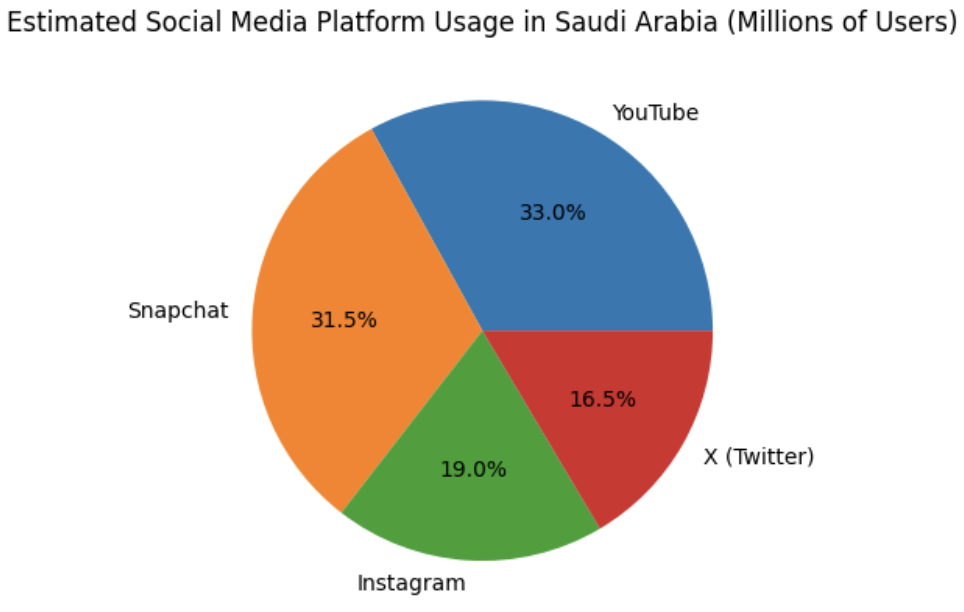
Platform usage in Saudi Arabia varies significantly by age group, content format, and intent. Snapchat remains highly popular for daily lifestyle content and localized storytelling, while Instagram dominates brand collaborations in fashion, beauty, and retail.
TikTok has experienced explosive growth, particularly among younger audiences, offering high reach through short-form, algorithm-driven video content. YouTube continues to perform well for long-form reviews, tutorials, and educational content. Understanding these platform preferences is critical when selecting influencers and structuring campaign deliverables.
Popular Categories and Niches
Influencer activity in Saudi Arabia spans a wide range of categories, with particularly strong performance in beauty, personal care, fashion, food, travel, fitness, and technology. Niche creators – such as financial educators, parenting influencers, and local travel reviewers – are increasingly valuable due to their highly engaged, trust-based audiences. Brands that align with niche influencers often achieve stronger conversion rates compared to broad lifestyle collaborations.
Trends Post–Vision 2030
Vision 2030 has accelerated digital transformation and content creation in Saudi Arabia, encouraging entrepreneurship and local talent development. As a result, influencer marketing has become more professionalized, with greater emphasis on transparency, licensing, and brand accountability. Campaigns are increasingly data-driven, performance-focused, and integrated into broader omnichannel marketing strategies.
Regulations Around Influencer Campaigns
Saudi Arabia maintains a structured regulatory environment for influencer marketing to ensure transparency, ethical advertising, and consumer protection. Businesses and influencers are jointly responsible for compliance.
General Commission for Audiovisual Media (GCAM) Rules
Influencer content is regulated under the General Commission for Audiovisual Media (GCAM), which oversees digital advertising and media activities. GCAM guidelines require that promotional content respects cultural values, avoids misleading claims, and adheres to advertising standards. Brands must ensure that influencers they work with are operating within GCAM-approved frameworks.
License Requirements for Influencers
Influencers who generate income through advertising are required to obtain an official media license. Brands partnering with unlicensed influencers risk penalties, campaign takedowns, or reputational damage. As part of due diligence, companies should verify influencer licensing status before contract execution.
Disclosure and Transparency Obligations
Paid partnerships must be clearly disclosed to audiences using appropriate labels such as “advertisement” or “paid promotion.” Transparency is a legal requirement, not a best practice. Failure to disclose commercial relationships can result in fines for both the influencer and the sponsoring brand.
Choosing the Right Influencer for Your Brand
Selecting the right influencer in Saudi Arabia goes beyond follower count. Strategic alignment, audience relevance, and credibility are far more important for long-term brand value.
Matching Audience Demographics
Brands must ensure that an influencer’s audience aligns with their target market in terms of age, gender, geography, language, and purchasing power. Local relevance is especially important in Saudi Arabia, where regional and cultural nuances strongly influence engagement.
Engagement Rates vs. Follower Counts
High follower numbers do not guarantee campaign success. Engagement rate – likes, comments, shares, and saves – provides a more accurate indicator of audience trust and content effectiveness. Micro-influencers often outperform larger accounts in engagement quality and conversion efficiency.
Micro vs. Macro Influencers
Micro-influencers offer authenticity and closer audience relationships, making them ideal for targeted campaigns and niche products. Macro-influencers provide broader reach and brand visibility but typically require higher budgets and more structured content oversight. Many successful Saudi campaigns use a hybrid approach that combines both.
Measuring ROI in Influencer Campaigns
Quantifying return on investment is essential for evaluating influencer marketing effectiveness and justifying spend.
Key KPIs to Track
Common KPIs include reach, engagement rate, click-through rate, conversions, cost per acquisition, and brand sentiment. The choice of KPIs should align with campaign Colorobjectives, whether awareness, lead generation, or sales.
Attribution Models and UTM Usage
Using UTM parameters, affiliate links, and unique promo codes allows brands to track influencer-driven traffic and conversions accurately. Attribution models help determine how influencer activity contributes to the overall customer journey, particularly in multi-touch campaigns.
ROI Benchmarking by Industry
ROI expectations vary by industry. Retail and e-commerce campaigns typically focus on direct sales metrics, while sectors such as real estate, education, and financial services may prioritize leads and long-term brand trust. Establishing benchmarks based on sector norms ensures realistic performance evaluation.
Challenges and Risks of Influencer Marketing
Despite its potential, influencer marketing in Saudi Arabia carries operational and reputational risks if not properly managed.
Reputation Management
An influencer’s behavior, public statements, or past content can directly impact brand perception. Thorough background checks and clear conduct clauses in contracts are essential to mitigate reputational risks.
Fake Followers and Bots
Artificially inflated follower counts remain a concern. Brands should use auditing tools to assess audience authenticity, engagement quality, and growth patterns before committing to partnerships.
Managing Contracts and Content Rights
Clear contracts should define deliverables, timelines, usage rights, exclusivity, and termination clauses. Content ownership and reuse rights are especially important for brands planning to repurpose influencer content across paid media or other channels.
Frequently Asked Questions (FAQs)
Is influencer marketing legal in Saudi Arabia?
Yes, influencer marketing is legal in Saudi Arabia, provided it complies with GCAM regulations, licensing requirements, and disclosure rules.
Do influencers need a license to work with brands?
Yes, influencers earning income from advertising must hold a valid media license. Brands should verify this before collaboration.
Who is responsible for compliance – the brand or the influencer?
Both parties share responsibility. Brands are expected to ensure that influencers comply with regulations and disclosure standards.
Which platforms perform best for influencer marketing in KSA?
Snapchat, Instagram, TikTok, and YouTube are the most effective platforms, depending on audience and content format.
Are micro-influencers effective in Saudi Arabia?
Yes, micro-influencers often deliver higher engagement and stronger trust, especially for niche or localized campaigns.
How can brands measure influencer ROI accurately?
Using UTM links, promo codes, conversion tracking, and defined KPIs allows for reliable ROI measurement.
What are common compliance mistakes to avoid?
Working with unlicensed influencers, failing to disclose paid partnerships, and using misleading advertising claims are common mistakes.
Can foreign brands run influencer campaigns in Saudi Arabia?
Yes, foreign brands can run campaigns, but they must comply with Saudi regulations and cultural standards.
How long should influencer contracts last?
Contract length depends on campaign objectives, but longer-term partnerships often deliver stronger brand trust and consistency.
What happens if regulations are violated?
Violations can result in fines, content removal, license suspension, and reputational damage for both brands and influencers.
Conclusion
Influencer marketing in Saudi Arabia offers powerful opportunities for brand growth, visibility, and consumer engagement when executed strategically and compliantly. Understanding the regulatory framework, selecting the right influencers, and measuring performance accurately are critical to achieving sustainable ROI.
Businesses that approach influencer marketing with the same rigor applied to legal compliance, governance, and performance management are best positioned to succeed in the Saudi market.
Need help navigating influencer regulations or measuring campaign ROI in Saudi Arabia?
Eyad supports brands with influencer strategy, compliance checks, contract structuring, and performance analysis. Contact Eyad today to ensure your influencer campaigns in KSA are compliant, effective, and commercially sound.